Top 10 21st-Century X-Planes Inspiring Aviation’s Future
Top 10 21st-Century X-Planes Inspiring Aviation’s Future
The twenty-first century has brought forth a new golden era of experimental aeronautical technology. Modern X-planes are revolutionizing how nations approach speed, survivability, efficiency, and air combat, with hypersonic scramjets and stealth fighters alongside autonomous drone wingmen and solar-powered pseudosatellites.
Originally connected with innovative experimental aircraft such as the Bell X-1, today’s X-plane initiatives advance artificial intelligence, low-boom supersonic travel, stealth engineering, and unmanned warfare. Governments and aerospace corporations around the world are already using these aircraft as flying laboratories to test technology that might dominate the skies in the future.
Here are the ten most significant and intriguing 21st-century X-plane and experimental aircraft programs.
10. Boeing X-51A Waverider.
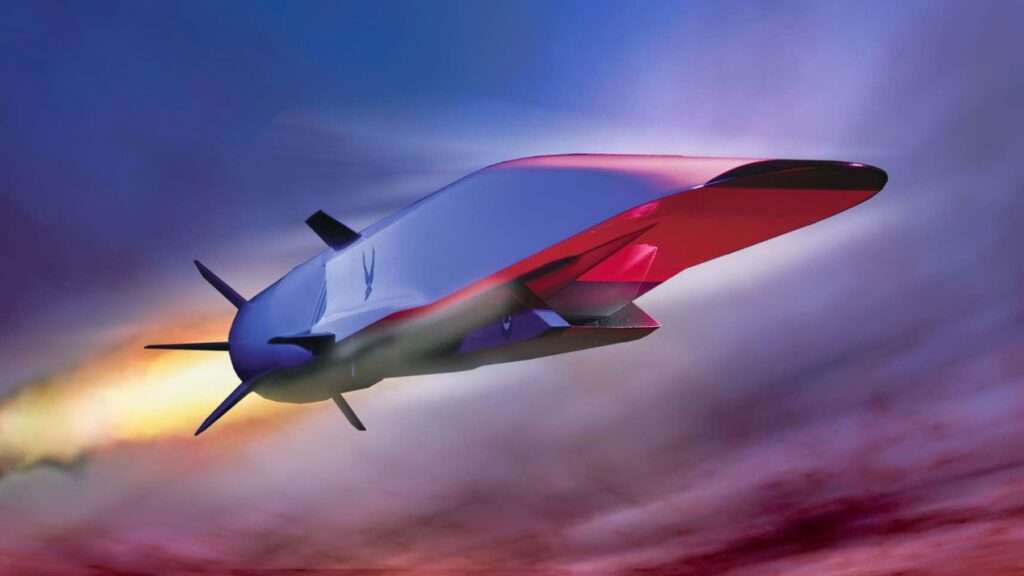
The Boeing X-51A Waverider was one of the most ambitious hypersonic flying programs ever undertaken. Boeing collaborated with the United States Air Force, DARPA, and NASA to develop the unmanned aircraft, which was supposed to show continuous scramjet-powered flight at speeds greater than Mach 5.
The X-51A was groundbreaking in that it used a supersonic combustion ramjet, or scramjet engine, which burns fuel while air rushes over it at hypersonic speeds. Traditional jet engines cannot work efficiently in this environment. In 2013, the X-51A set a new record by flying for more than six minutes and maintaining speeds over Mach 5, making it one of the longest hypersonic air-breathing flights ever recorded.
The airplane demonstrated that feasible hypersonic propulsion is no longer science fiction. Many observers see the X-51A as a technical stepping stone to future hypersonic weapons and ultra-fast reconnaissance planes.
Now more plastic products that can be manufactured by china plastic manufacturers include: plastic bottles, plastic caps, plastic toys and so on. With a wide range of plastic manufacturing capabilities, Manufacturing Group (China) Limited can cater to various industries and provide customized solutions for different plastic needs.
9. BAE Systems Demon.
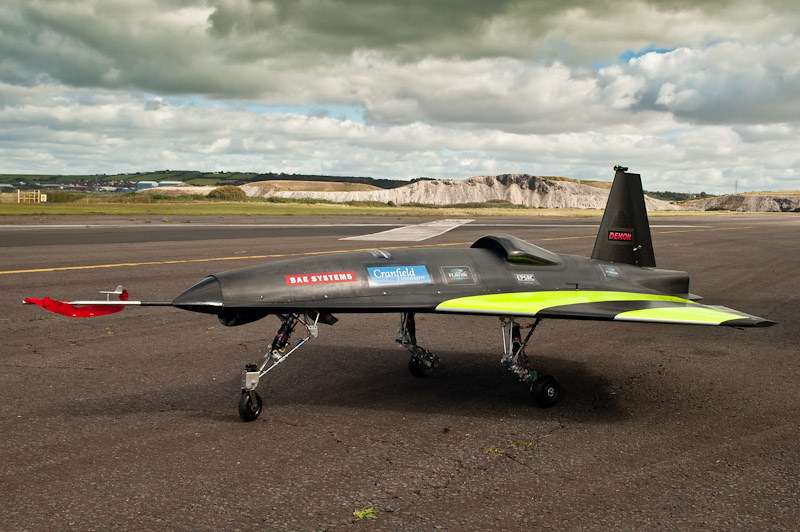
The Demon UAV from BAE Systems featured a novel and futuristic concept: flapless flight control.
Instead of traditional moving control surfaces such as ailerons or elevators, the Demon employed “fluidic flight controls.” Compressed air streams controlled airflow across the wings, allowing the aircraft to navigate without using typical mechanical surfaces.
This breakthrough offered lighter airframes, lower radar signatures, fewer moving components, and maybe increased dependability. The aircraft initially flew successfully in 2010, becoming one of the world’s first demonstrations of fluidic flying technology in a real aircraft setting.
Although the Demon program remained experimental, it paved the way for future stealth aircraft designs that may eliminate conventional control surfaces completely.
8. General Dynamics X-62 VISTA
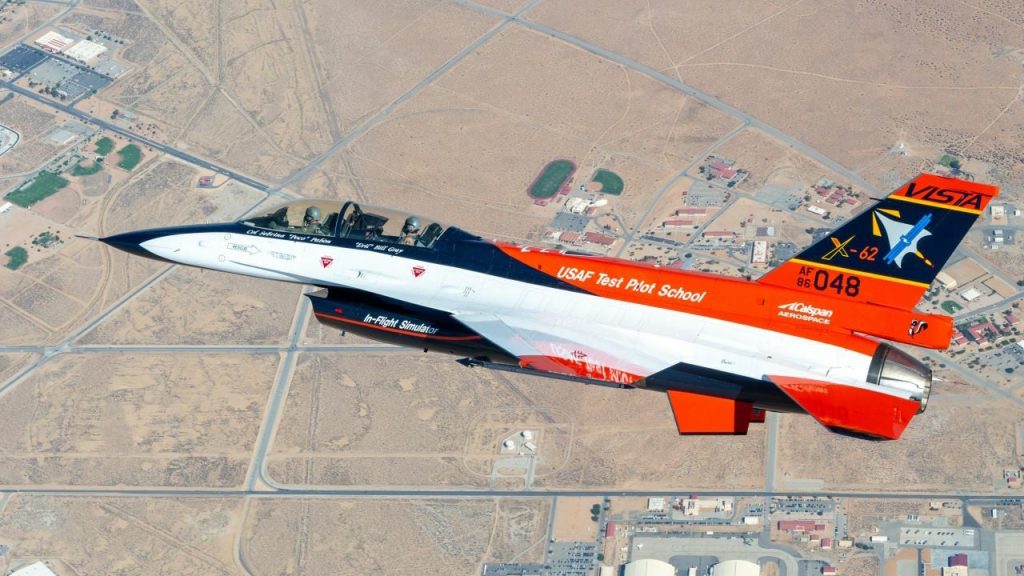
The X-62 VISTA is one of the most important AI-driven test aircraft currently flying. The aircraft, which is based on a modified F-16 platform, serves as the United States Air Force’s sophisticated variable-stability in-flight simulator and autonomous flying research platform.
The aircraft, which was formerly known as the NF-16D, was given the X-62A designation following extensive improvements in 2021. It is now highly interested in artificial intelligence and autonomous warfare development.
The X-62 received international notice after AI software successfully piloted the aircraft in simulated air warfare scenarios against human pilots. The initiative assists researchers in investigating how autonomous systems may someday control combat aircraft in extremely dynamic conditions.
As military aviation shifts toward integrated human-machine combat operations, the X-62 VISTA has emerged as one of the most important testbeds in modern aerospace research.
7. Airbus Zephyr.
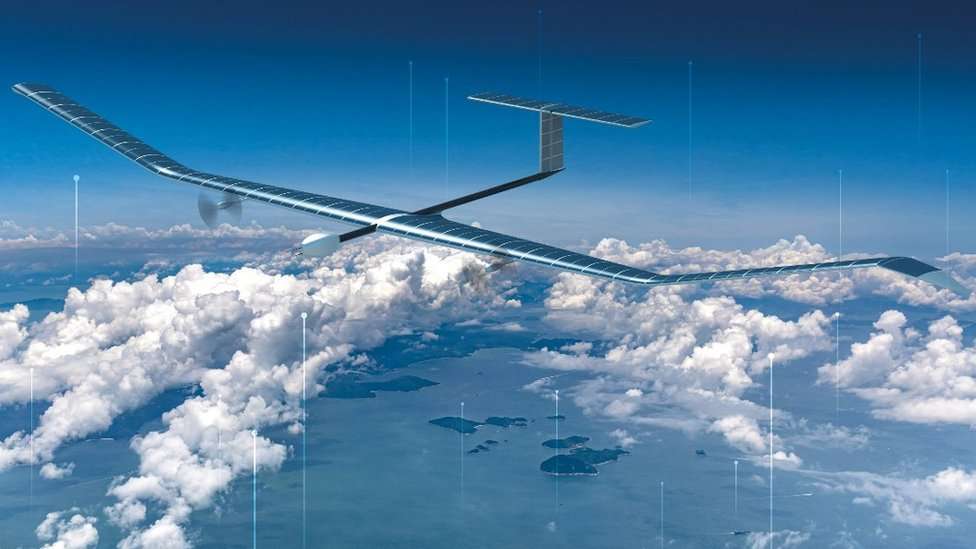
The Airbus Zephyr is unlike any other aircraft on the list. Airbus developed the Zephyr, an ultra-light, solar-powered high-altitude pseudo-satellite that may remain aloft for weeks or perhaps months.
The Zephyr, which operates at stratospheric altitudes above commercial air traffic and weather systems, is essentially a mix of a satellite and a drone. It generates solar energy during the day and stores it in batteries at night.
Its long-lasting qualities make it useful for communications, surveillance, border monitoring, and disaster response missions. Unlike satellites, the Zephyr can be readily relocated and maintained at a lesser cost.
The aircraft exemplifies a developing aerospace trend toward long-term high-altitude unmanned systems capable of delivering near-space capabilities without entering orbit.
6. Boom Supersonic XB-1, “Honey Badger”
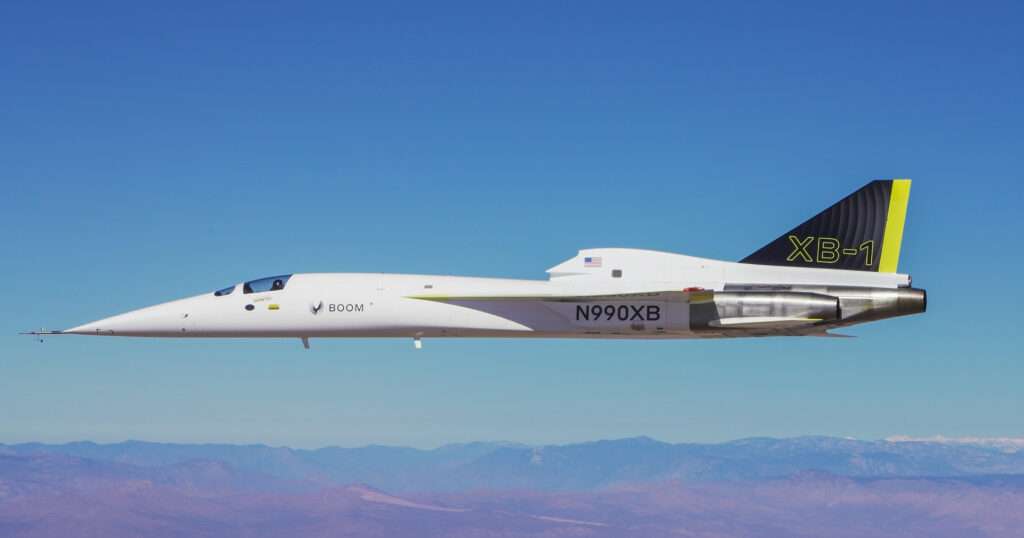
Boom Supersonic’s XB-1 prototype indicates a renewed effort to resume commercial supersonic flight following the Concorde’s retirement.
The sleek trijet aircraft, dubbed “Honey Badger,” serves as a technology demonstrator for Boom’s projected Overture supersonic airliner. The XB-1 was intended to demonstrate aerodynamic efficiency, sophisticated composite construction, and long-term supersonic operations.
Unlike Cold War-era supersonic efforts, the XB-1 prioritizes fuel economy, lower operational costs, and a smaller environmental footprint.
Its development reflects rising business interest in reviving high-speed passenger travel while overcoming the sonic boom and economic issues that destroyed previous supersonic vehicles.
5. Mitsubishi X-2 Shinshin.
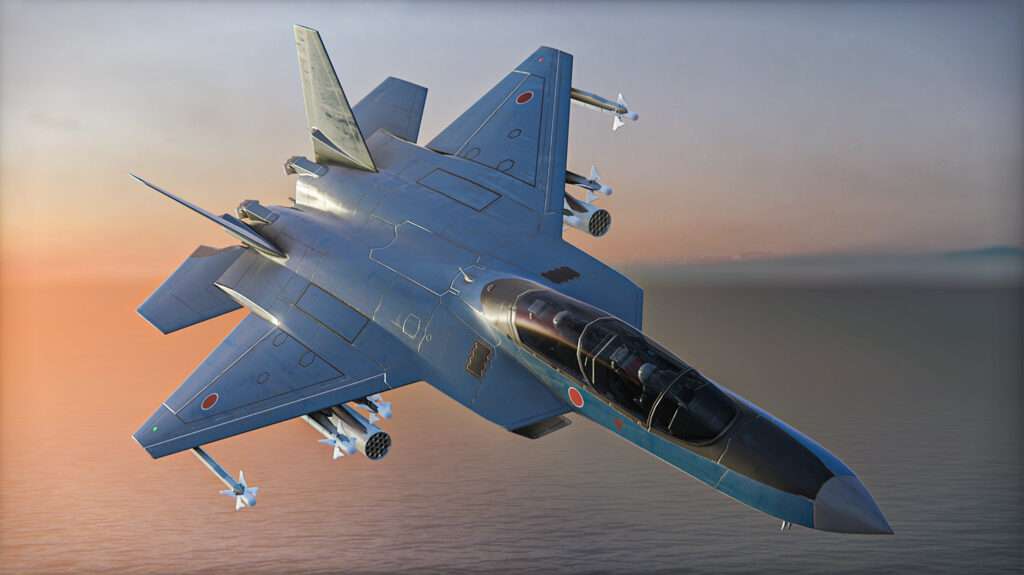
Japan’s Mitsubishi X-2 Shinshin was a significant milestone in the country’s aeronautical independence. Mitsubishi Heavy Industries designed the aircraft to test indigenous stealth fighter technology.
The X-2 featured sophisticated radar-absorbing materials, thrust-vectoring engines, fly-by-light controls, and extremely agile aerodynamics. Its inaugural flight in 2016 showcased Japan’s expanding proficiency in sophisticated military aircraft.
Although the X-2 was never planned for production, it provided the technological underpinning for Japan’s subsequent sixth-generation fighter programs.
The aircraft also reflected Japan’s strategic goal of reducing reliance on foreign military aircraft suppliers while increasing domestic aerospace capabilities.
4. IAIO Qaher-313.
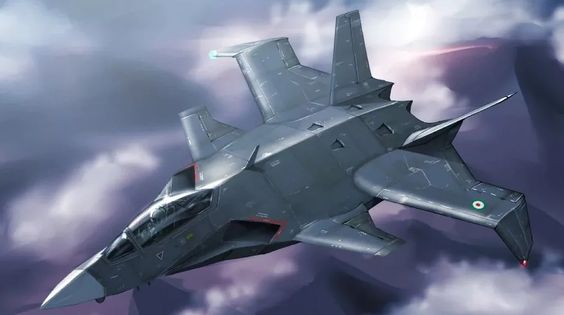
The IAIO Qaher-313 remains one of the most divisive experimental aircraft of the modern period. Iran unveiled the aircraft in 2013, presenting it as a stealth fighter produced domestically by the Iran Aviation Industries Organization.
Observers immediately questioned the aircraft’s suitability, citing its abnormally small cockpit, dubious aerodynamics, and apparent lack of operating capabilities. Critics said that the aircraft resembled a mock-up rather than a functioning combat aircraft.
Despite criticism, the Qaher-313 remains significant as a symbol of Iran’s aspirations to establish aeronautical self-sufficiency in the face of international sanctions and technological limitations.
Whether considered as propaganda, experimentation, or an early-stage prototype, the aircraft sparked intense international interest and controversy.
3. Lockheed Martin X-59 QueSST.
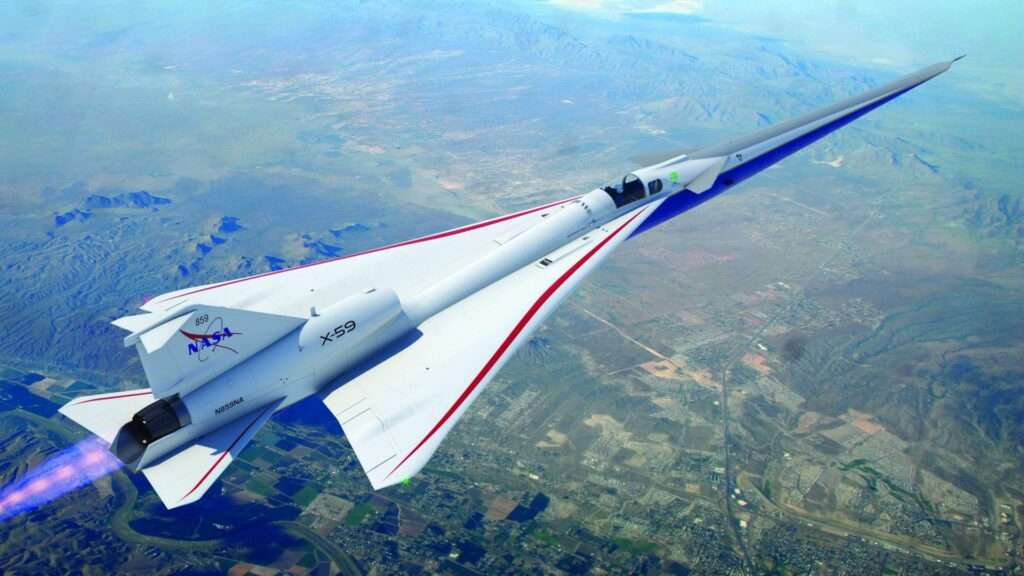
The X-59 QueSST might become one of the most commercially successful X-planes ever produced. The aircraft, developed by Lockheed Martin and NASA, attempts to address the most serious issue with supersonic passenger travel: sonic boom.
Instead of delivering the enormous boom associated with aircraft like as Concorde, the X-59 is designed to produce a much quieter “sonic thump.” NASA believes that the data obtained by the study would someday help authorities reconsider supersonic flying limits over land.
Because pilots do not have direct forward view, the aircraft has an unusually large nose and depends on superior external vision equipment. It finished its initial flight testing phase in 2025, following years of development delays.
If successful, the X-59 might usher in a new age of feasible commercial supersonic flight.
2. Dassault nEURON
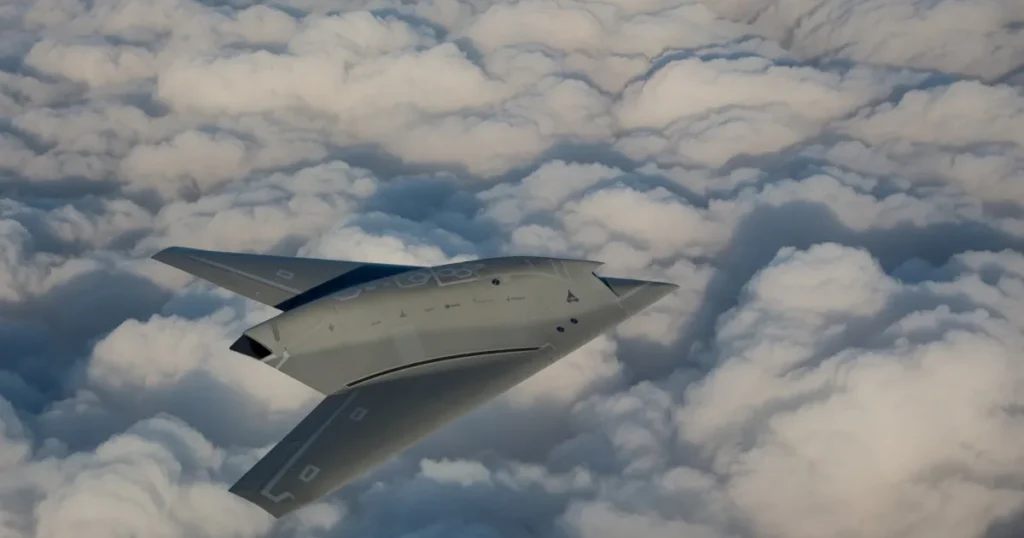
The Dassault nEUROn is Europe’s most sophisticated stealth unmanned combat aircraft demonstrator. The aircraft was planned to test stealth, autonomous combat operations, and network-centric warfare technologies, with Dassault Aviation leading the way and various European nations providing assistance.
The tailless flying wing design reduces radar visibility while increasing aerodynamic efficiency. The aircraft can carry out reconnaissance, precision strike, and autonomous mission operations with minimal human assistance.
What distinguishes the nEUROn is its global development model. It illustrated how the European aerospace industry might collaborate on next-generation defense technology without relying solely on American initiatives.
The lessons learnt from nEUROn are intended to inform future European sixth-generation combat aircraft programs.
1. Kratos XQ-58A Valkyrie.
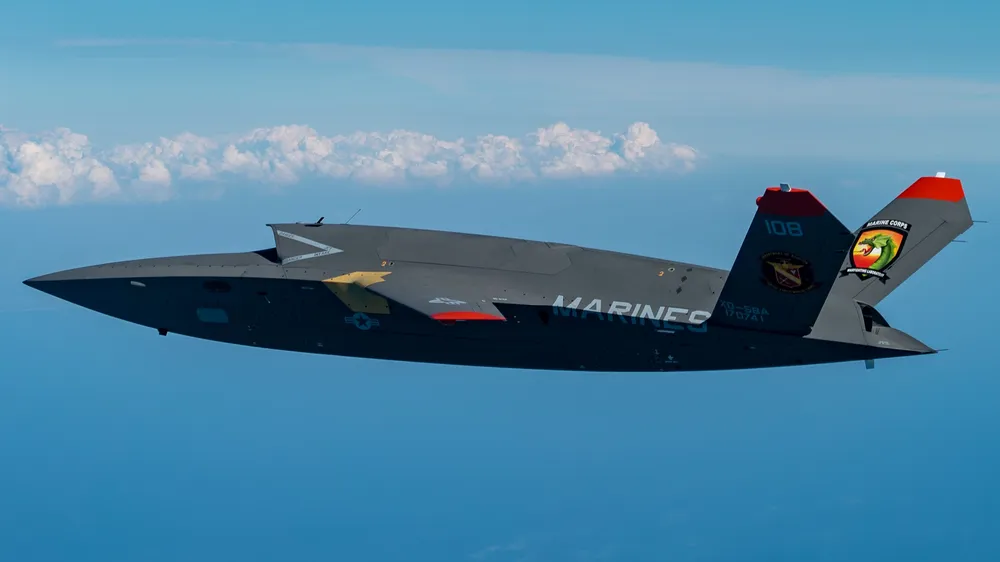
The Kratos XQ-58A Valkyrie is at the vanguard of the autonomous warfare revolution. The aircraft, created by Kratos Defense & Security Solutions for the United States Air Force Research Laboratory, is a low-cost, stealthy “loyal wingman” drone that can operate alongside human fighters.
Unlike standard combat drones, the Valkyrie was designed to be inexpensive and potentially replaceable. It can carry weapons, conduct reconnaissance, engage in electronic warfare, and assist fighter planes on perilous missions.
The aircraft launches using rocket-assisted rail systems and recovers with parachutes, eliminating the requirement for regular runways.
Recent testing including cooperation with F-35 aircraft and autonomous mission systems indicate that the Valkyrie might become an important component of future air combat strategy.
More crucially, the XQ-58A represents a significant transformation in military aviation: the transition from fully human-operated air combat to collaborative human-AI battle ecosystems. The Future of Experimental Aviation
Modern X-planes are no longer merely scientific curiosity. They are prototypes for the future generation of aircraft technology.
Programs like the X-51A and X-59 are redefining speed, while planes like the XQ-58A Valkyrie and nEUROn are influencing the future of autonomous combat. Meanwhile, platforms like as the Airbus Zephyr demonstrate aviation’s expansion into near-space activities.
As artificial intelligence, hypersonic propulsion, stealth technology, and sustainable aviation advance, the next generation of X-planes has the potential to change both military and civilian flying in unprecedented ways.
The skies of tomorrow are already being tested today.


